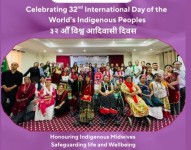
KATHMANDU - With the theme "Honouring Indigenous Midwives: Safeguarding Life and Well-being", the International Day of the World's Indigenous Peoples is being observed across the world by organizing various programmes and events today.
This international day observed globally on August 9 every year was established by the United Nations General Assembly under resolution 49/214 to commemorate the first meeting of the UN Working Group on Indigenous Populations in 1982. It celebrates the specialized ancestral skills, holistic healing practices, and ecological knowledge passed down through generations by Indigenous women.
Central to these traditions is traditional midwifery, which involves cultivating herbal gardens, identifying specific medicinal plants for labor and postpartum care, and applying spiritual and physical techniques for maternal health.
The virtual commemoration and associated events highlight how Indigenous midwives serve as vital knowledge holders and guardians of community well-being, while navigating specific challenges in maintaining and transmitting their practices.
UNESCO and other international bodies have emphasized the importance of recognizing these roles and strengthening gender-responsive reporting to support maternal health and women's rights in remote and marginalized regions. Beyond healthcare, Indigenous knowledge systems encompass ecological stewardship through managing forests, reading weather patterns, and preserving biodiversity using time-tested sustainable land use.
Oral traditions and native languages are utilized to transmit complex histories, cultural continuity, and ecological tracking across generations, while disaster risk reduction employs local and ancestral indicators in multi-hazard early warning systems to protect communities from natural shifts.These skills and systems matter significantly because they maintain cultural resilience through self-determination and independent community health structures.
Additionally, traditional ecological and care practices offer sustainable models for tackling global environmental and health challenges. Through the intergenerational transfer of lifesaving wisdom moving from elders to youth, distinct identities are sustained against systemic pressures.