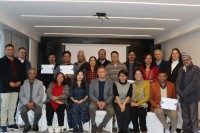
KATHMANDU, December 23 — The Ministry of Health and Population (MoHP), in collaboration with the WHO Country Office for Nepal, has concluded a series of advanced laboratory biosafety and biosecurity trainings in Gandaki and Lumbini provinces. The program, based on the latest global standards, trained 32 laboratory personnel to manage biological risks and prevent the spread of infectious diseases, including drug-resistant pathogens.
Implemented by the National Public Health Laboratory, the initiative provided specialized training to 16 personnel in each province from provincial laboratories and local healthcare centers. The curriculum focused on the fourth edition of the WHO Laboratory Biosafety Manual, emphasizing a risk-based approach to laboratory safety.
During the sessions, participants strengthened their skills in laboratory biosafety risk assessment and the correct use of personal protective equipment, which included N95 fit testing. They also focused on the safe handling and transportation of infectious substances, laboratory waste management, and the proper management of biological spills.
This approach contributes to preventing the spread of infections and strengthening national preparedness while reducing risks associated with antimicrobial resistance. The program was made possible with support from the Pandemic Fund and the WHO Pandemic Influenza Preparedness Partnership Contribution Fund. Moving forward, WHO will continue to support similar training programs in the remaining provinces to ensure uniform capacity across the country.