By Pramod shrestha
It began not in an operating theatre but at a vibrant party in Nice, France, in November 1973. Amid the laughter and conversations of a Jaycees annual meeting, a chance introduction sparked a lifelong bond. In 1973, a young Nepali engineer, Pramod Shrestha, working in the FIAT car company in Turin, Italy, met Luc and Ingrid Salens, a warm-hearted Belgian couple. Friendship, transcending continents, and cultures were sealed that evening.
Twenty-four years later, in the gentle winter light of December 1997, that friendship brought Luc and Ingrid to the breathtaking vistas of Kathmandu valley to attend a wedding of Mr. Shrestha's relative. As guests of the Shrestha family, they Belgian couple fell in love with the majestic beauty and resilient spirit of Nepal. Wanting to share an insider’s view, Pramod’s younger brother, Dr. Anil Shrestha, an orthopaedic surgeon, took the couple on a tour to Nagarkot.
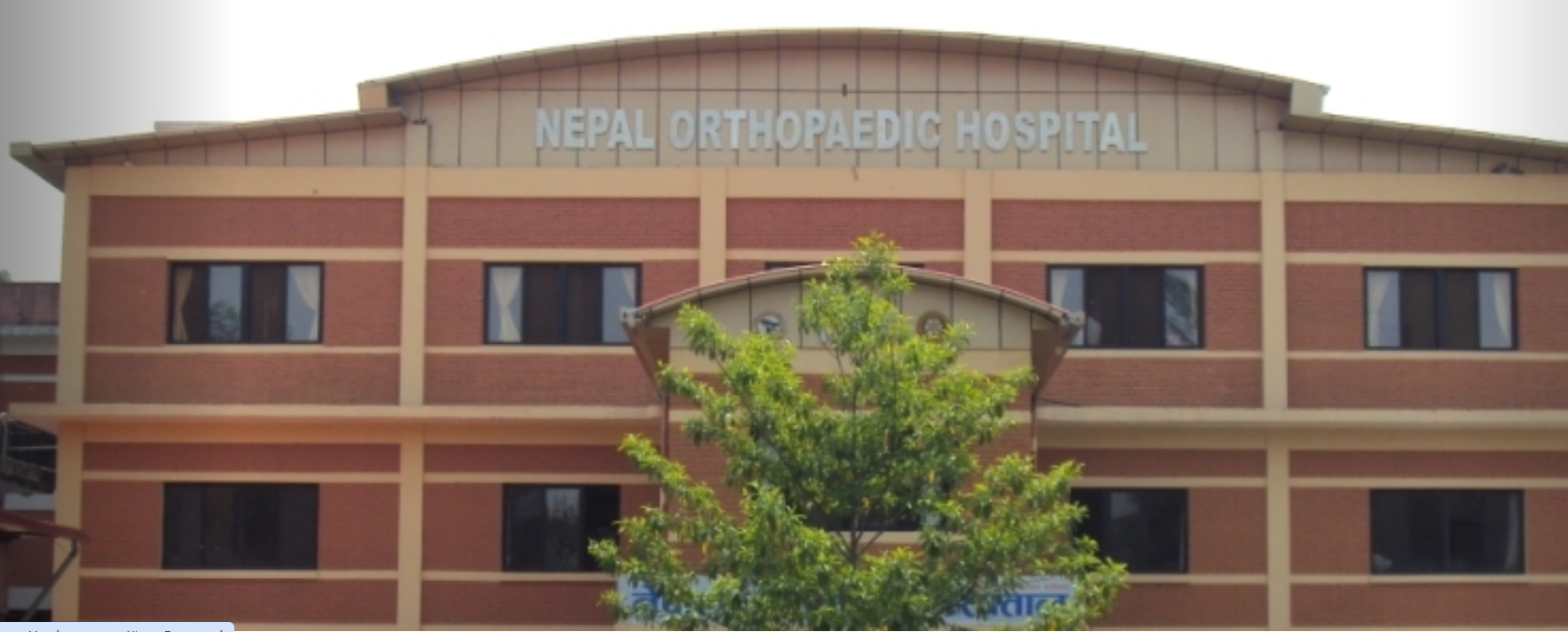
But this was not just a sightseeing trip. Driven by a surgeon’s passion, Dr. Anil took them to see a sobering sight: the dilapidated, crumbling structure of the Nepal Orthopaedic Hospital in Jorpati. It was a vision of profound need—a place meant for healing, itself in desperate need of care. For Luc and Ingrid, the image was unforgettable. Here, in this beautiful country they had come to adore, was a gaping chasm in essential medical care.
The seed of an idea of running the hospital was planted. Back in Belgium, Luc could not forget what he had seen. He kept thinking, "What could be done?" His heart, moved by both friendship and humanitarian duty, spurred him into action. He began a relentless campaign, communicating with Rotary Clubs across the globe, bridging the distance between Belgium and Nepal. Finally, in 1998, Luc informed Dr. Anil that he and his team will be willing to support the running cost of the hospital for the initial 2-3 years. Dr. Anil left his government job and started his work as the founding medical director of the Nepal Orthopaedic Hospital (NOH)
What followed was a stunning testament to global citizenship and local perseverance. The chance visit to a dilapidated site became a coordinated mission. The shared vision of a Nepali surgeon and his team and, well wishers, a determined Belgian couple, and the global network of Rotary International converged. Funds were raised, plans were drawn, and brick by brick, hope was rebuilt on the same ground.
Today, that vision stands tall as the first and only 100-bed ( starting from a 20-bed hospital) dedicated orthopaedic hospital in Nepal and the region. From a decaying building, it has been transformed into a beacon of specialized care, mending bones, and restoring lives. It has treated thousands, from accident victims and children with congenital conditions to the elderly, offering surgeries, rehabilitation, and hope that many could not otherwise afford or access.
Its contribution is measured in more than numbers: in the farmer who walks again, in the child who runs to school, in the parent who returns to work. It has elevated orthopaedic care, trained local professionals, and become a centre of excellence, all stemming from a simple act of showing friends a pressing need.
Lessons from a Legacy of Care
This story whispers powerful lessons to us all:
1. The Ripple Effect of Friendship: The deepest bonds often transcend personal affection and can catalyze profound public good. A friendship born in France built a hospital in Nepal.
2. Seeing with the Heart: Tourists see sights; friends see needs. Luc and Ingrid visited as friends, which is why they saw beyond the pagodas and temples to the crumbling hospital—and chose to act.
3. The Power of a "Connector": Luc Salens did not have a medical background. He was a connector—a bridge between a need in Nepal and resources in the world. His role was indispensable.
4. Partnership Over Philanthropy: This was not a one-sided donation. It was a partnership between the local drive of Dr. Anil Shrestha, Mr. Nanda Ram Mathema and Mr. Jim Sinclair, a visionary Rotarains from Nepal and US who started building the hospital in 1989. Sustainable change is always a collaboration.
The story of the Nepal Orthopaedic Hospital is a testament to the truth that the most enduring structures are not just made of brick and mortar, but of friendship, shared vision, and the unwavering belief that one can make a difference.
The hospital stands in Jorpati, healing a nation. The friendship that built it, born in Nice in 1973 and strengthened in Kathmandu in 1997 and beyound, endures—a beautiful, unbreakable bond that continues to inspire.