Kathmandu, December 26 — The use of drone technology in Nepal is not limited only to entertainment but is now becoming a strong medium for development, disaster management, and job creation. From the devastating earthquake of 2015 to recent climate-related disasters, the effective use of drones has confirmed its relevance.
'Game Changer' in Disaster Management
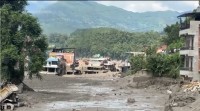
Nepal is one of the leading countries to mobilize drones on a large scale after major natural disasters. After the 2015 earthquake, the use of drones began in damage assessment and emergency rescue. Since then, drones have helped perform rapid and effective work in the 2021 Melamchi flood and the 2023 Jajarkot earthquake as well. The recent agreement between the National Disaster Risk Reduction and Management Authority and the Drone Association has opened the way to institutionalize its use in disaster management.
Increasing Utilization in Infrastructure Development
The use of drones has now expanded to risk mapping and monitoring of infrastructure projects. Drones are playing an important role in the use of landslide prevention technology in the Narayangadh-Muglin road section, the preparation of the rehabilitation plan for the Rani Jamara Kulariya Irrigation Project, and the design of the distribution network under the Water Sector Governance and Infrastructure Support Project.
'DEAP' Program and Skill Development
To address the challenges in the drone ecosystem—such as old regulatory frameworks and lack of skilled manpower—the World Bank is operating the 'Drone Ecosystem Acceleration Program' (DEAP). This program, started in 2023, is working in the following areas:
Training: In collaboration with Khwopa Engineering College and the Civil Aviation Authority, 100 drone operators and 30 'master trainers' have been prepared. Curriculum Revision: Technical assistance has been provided to include drone technology in Bachelor's and Master's level curricula in collaboration with bodies like the Institute of Engineering (IoE) and CTEVT. Policy Reform: Through the initiative of this very program, the work of including drone regulation in the Civil Aviation Authority's new bill and policy has moved forward.
Entrepreneurship and Youth Self-Employment: Through the 'ELEVATE NEPAL' exhibition organized in August 2025, seven drone companies have been selected for business mentorship and funding. These companies are working in areas such as drone manufacturing, maintenance, agriculture, and tourism. Additionally, by providing special training to 45 youths, 20 have even been provided placement opportunities in various drone companies.
Challenges and the Way Forward
Still, there is a lack of simple regulatory arrangements and financial support for drone entrepreneurs in Nepal. Coordination among South Asian countries and uniformity in regional standards seem set to give this sector further momentum. A drone is not just a flying machine, but it is becoming a sophisticated tool for Nepal's local entrepreneurship and resilient development.
Editorial Note: This news is based on a feature story published by the World Bank. Original source: Building a Sustainable Drone Ecosystem in Nepal for Jobs and Resilience